
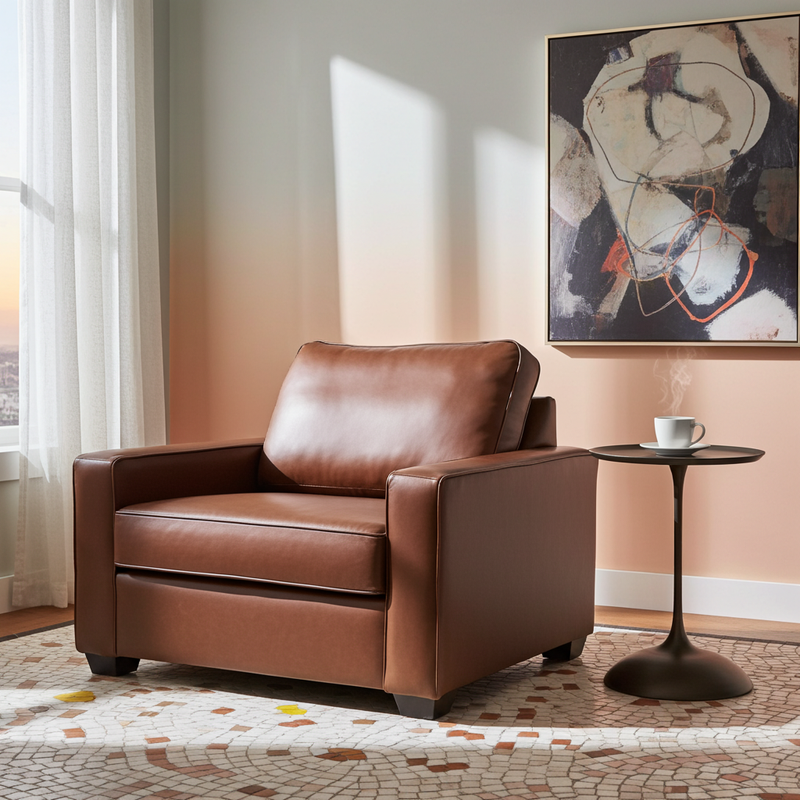
When designing a beautiful, balanced room, you might come across the “two-thirds rule.” It sounds technical, but it’s actually a simple guideline that can make your space feel more harmonious without much effort.
At Pallucci Furniture in Vancouver, this is one of the most common design principles customers ask about—especially when choosing sofas, tables, and décor.
What is the Two-Thirds Rule?
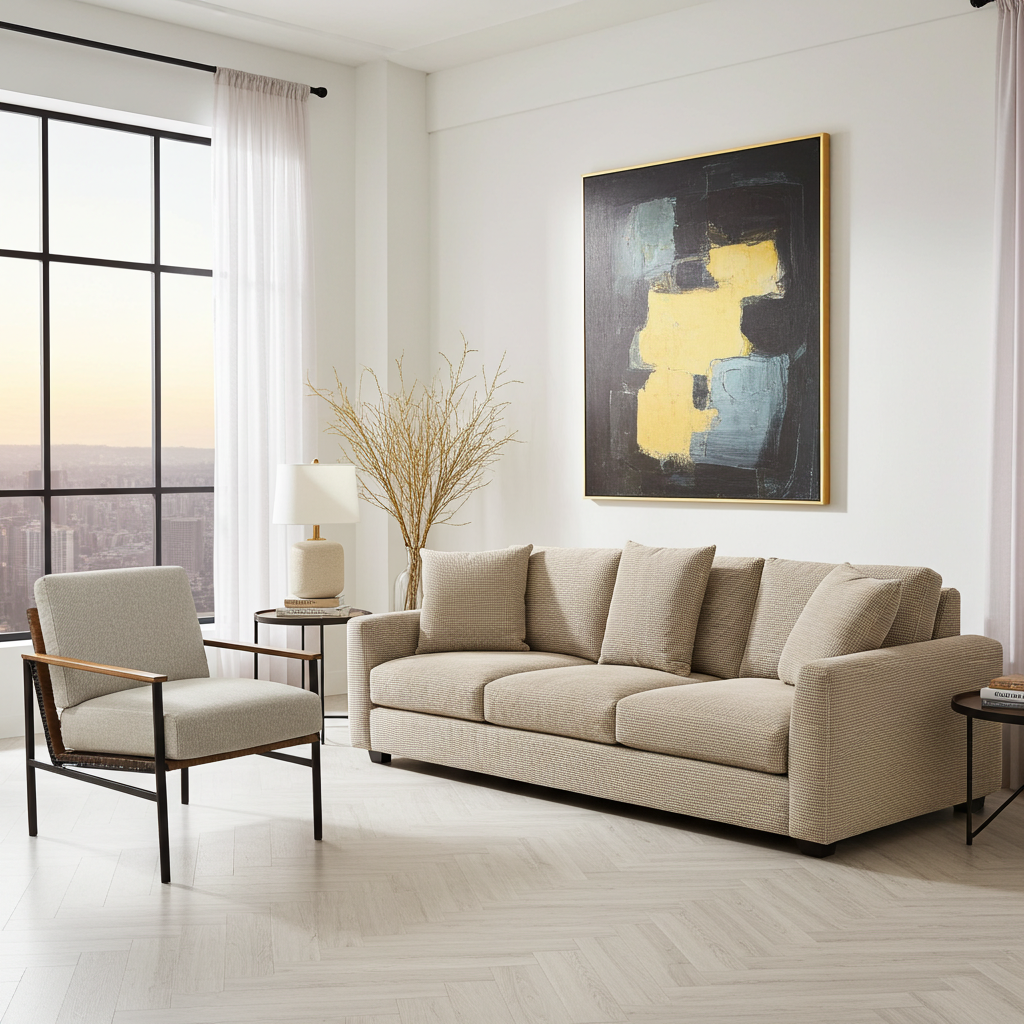
The two-thirds rule is a design guideline that suggests furniture or décor should be about two-thirds the size of the item it relates to. For example:
- A coffee table should be about two-thirds the length of your sofa
- Artwork should span roughly two-thirds the width of the wall or furniture beneath it
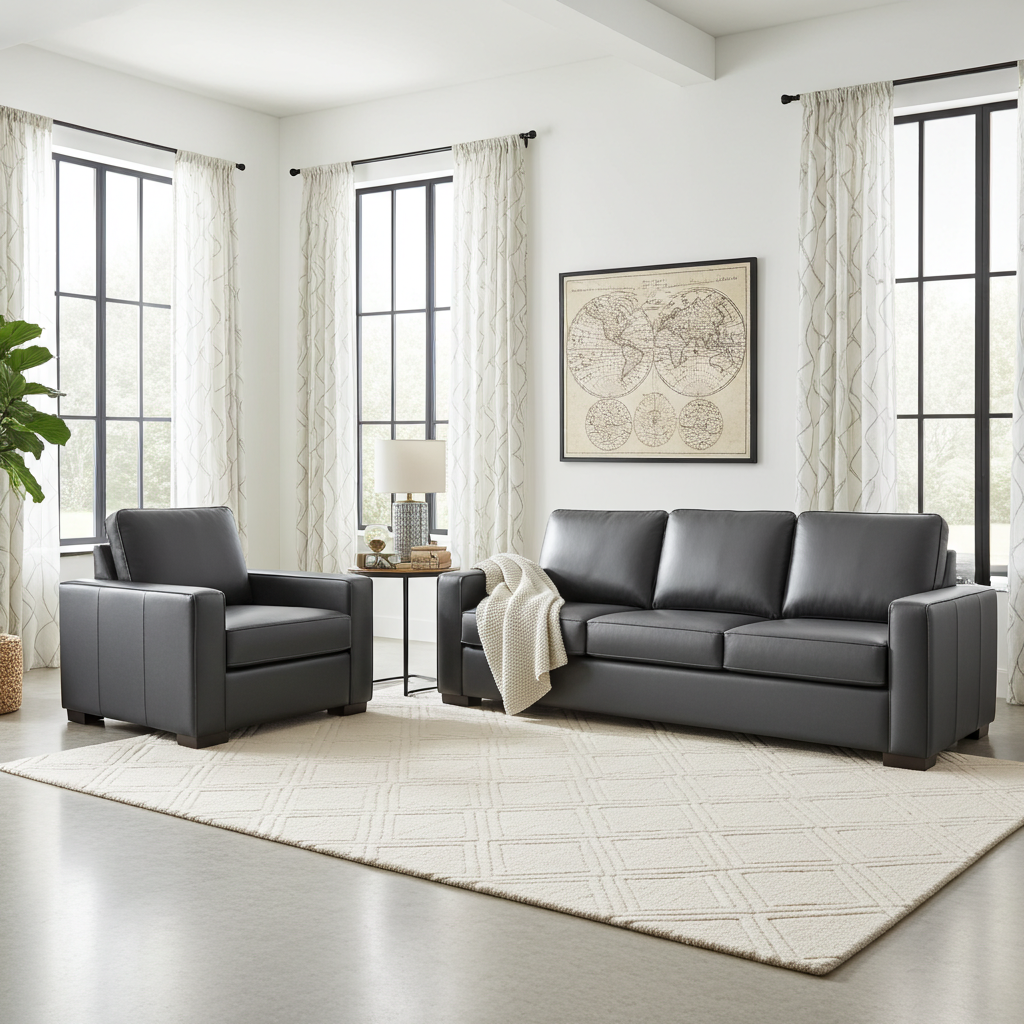
- A rug should cover about two-thirds of the seating area
This proportion tends to feel visually balanced to the human eye. It avoids extremes—pieces that are too large can feel overwhelming, while items that are too small may look disconnected or insignificant.
Why Does It Work?
The rule is rooted in basic visual harmony. Our brains naturally prefer proportions that feel neither too tight nor too sparse. Similar ideas appear in art and architecture, like the Golden Ratio, which has been used for centuries to create pleasing compositions.
By following the two-thirds rule, you create a sense of flow and cohesion in your space without needing advanced design skills.
Do You Have to Follow It?
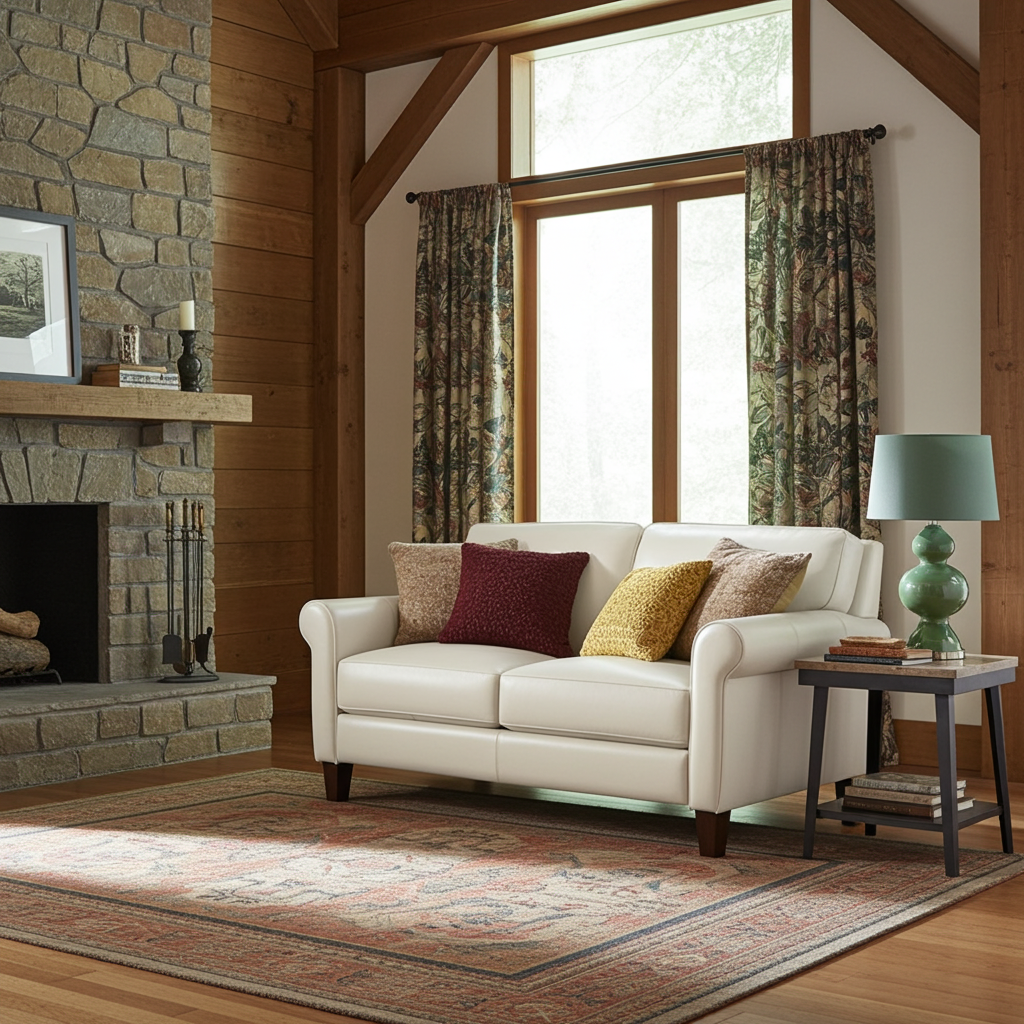
Not at all. The two-thirds rule is a guideline—not a strict rule.
In real homes, factors like room size, lifestyle, and personal taste matter just as much. For example:
- A larger coffee table might work better if you entertain often
- Oversized art can create a bold, modern statement
- Smaller pieces may suit minimalist or compact spaces
Breaking the rule intentionally can add personality and uniqueness to your home.
Finding the Right Balance
Instead of rigidly measuring everything, think of the two-thirds rule as a starting point. When browsing collections at Pallucci Furniture, you’ll notice many pieces are designed with these proportions in mind—making it easier to mix and match without overthinking.
If something looks and feels right to you, that’s ultimately what matters most. Good design isn’t about perfection—it’s about creating a space that reflects how you live.
So yes, the two-thirds rule is helpful—but your comfort and style should always come first.