
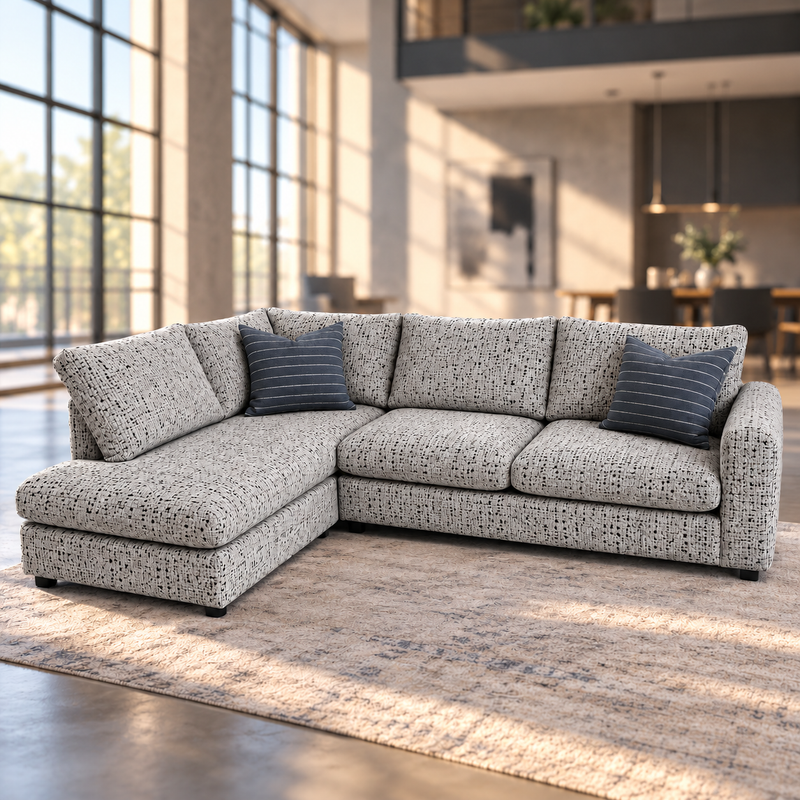
Pallucci Furniture Buying Guide: Why Do Sofas Cost So Differently? Understanding Craftsmanship, Materials and Design
Why does one sofa cost $1,000 while another costs $10,000 or more? The answer isn't simply quality. Furniture prices reflect a fascinating combination of materials, construction methods, production scale, design, and sometimes artistic reputation.
Understanding these differences can help you appreciate what you're buying, regardless of your budget.
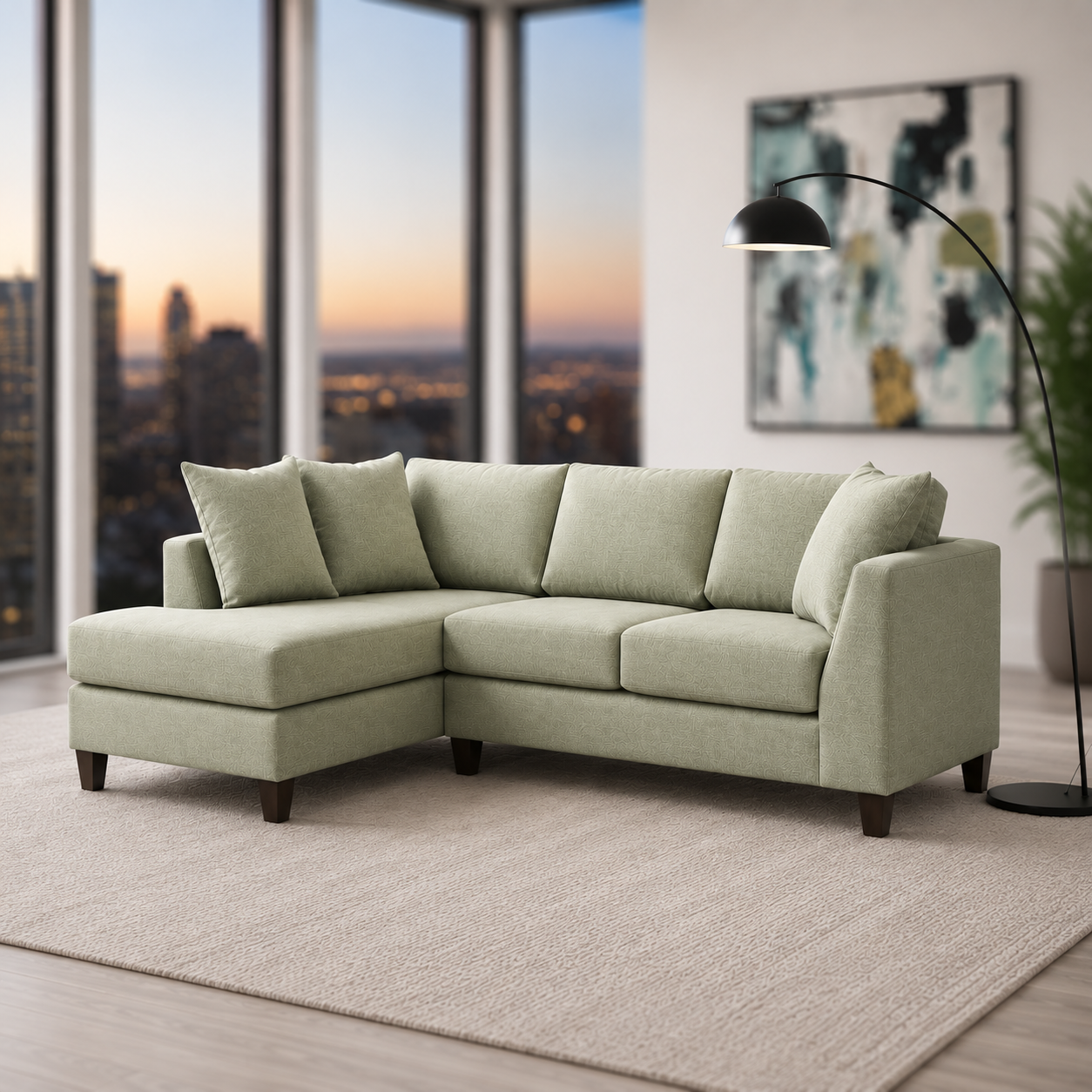
What Influences the Price of a Sofa?
-
Frame construction: Sofas may use solid hardwood, engineered wood, plywood, or combinations of materials. Construction techniques, joinery, and structural reinforcement influence manufacturing costs and durability.
-
Cushion materials: Conventional foam, high-resilience foam, pocket coils, feathers, and down offer different comfort experiences, production costs, and maintenance requirements.
-
Upholstery: Fabric composition, leather grades, weaving techniques, and finishing processes can significantly affect pricing.
-
Production methods: Mass-produced sofas benefit from automation and economies of scale. Smaller workshops may rely more heavily on skilled craftspeople, hand-finishing, and individual attention.
-
Business operations: Manufacturing location, labour costs, transportation, warehousing, distribution, and retail overhead all contribute to the final price.
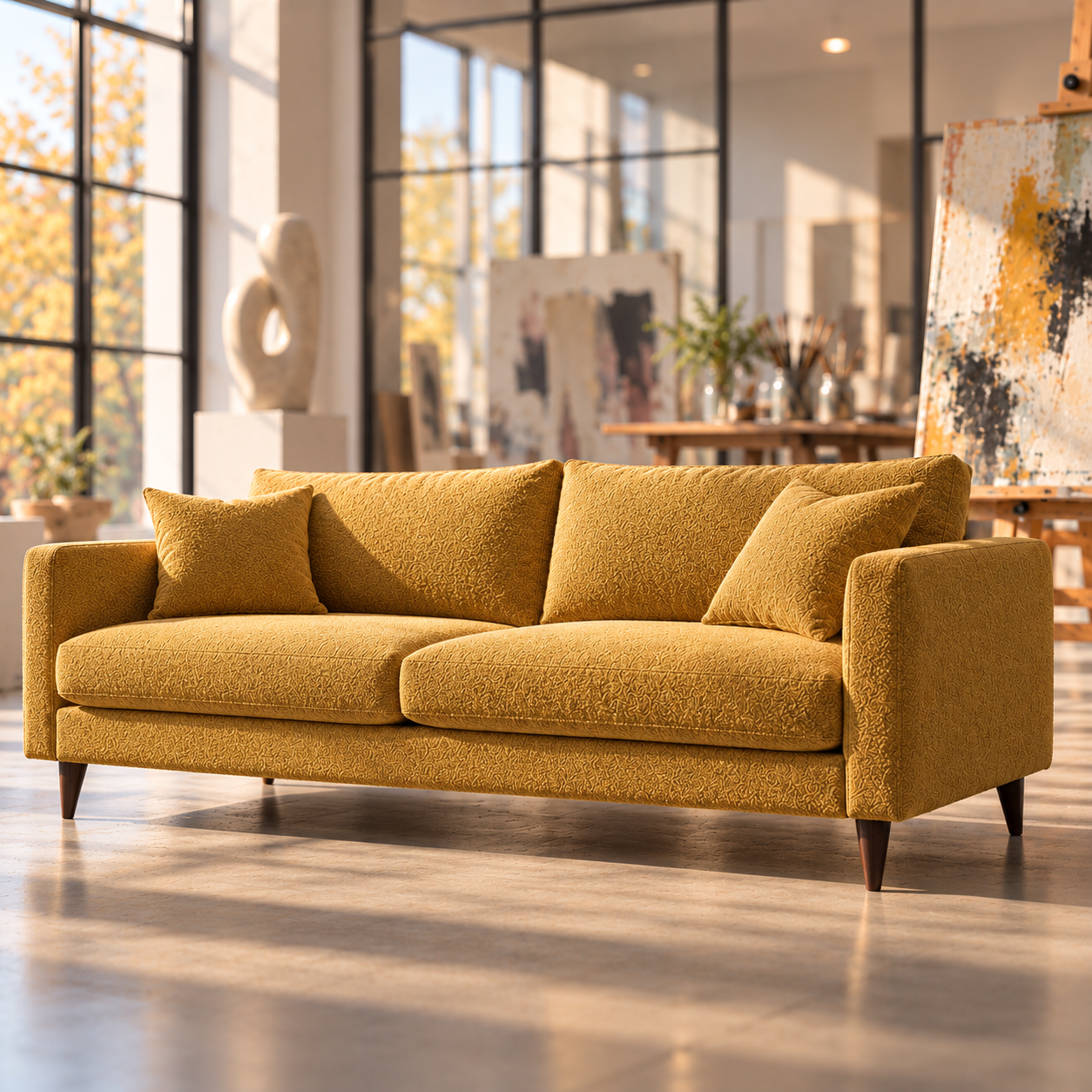
When Furniture Becomes Art
Consider the difference between a beautifully made everyday watch and a collectible timepiece designed by a celebrated artist. Both tell time, but their prices reflect different purposes.
Furniture works similarly.
Designers such as Charles and Ray Eames, Le Corbusier, and Philippe Starck helped transform functional objects into internationally recognized design statements.
Their creations can carry cultural significance, historical importance, and artistic value beyond their practical function.
A designer sofa may command a premium because of its originality, limited production, licensing, or association with an influential creative vision.
Meanwhile, a thoughtfully constructed everyday sofa can provide exceptional comfort, durability, and enjoyment without being a collectible design object.
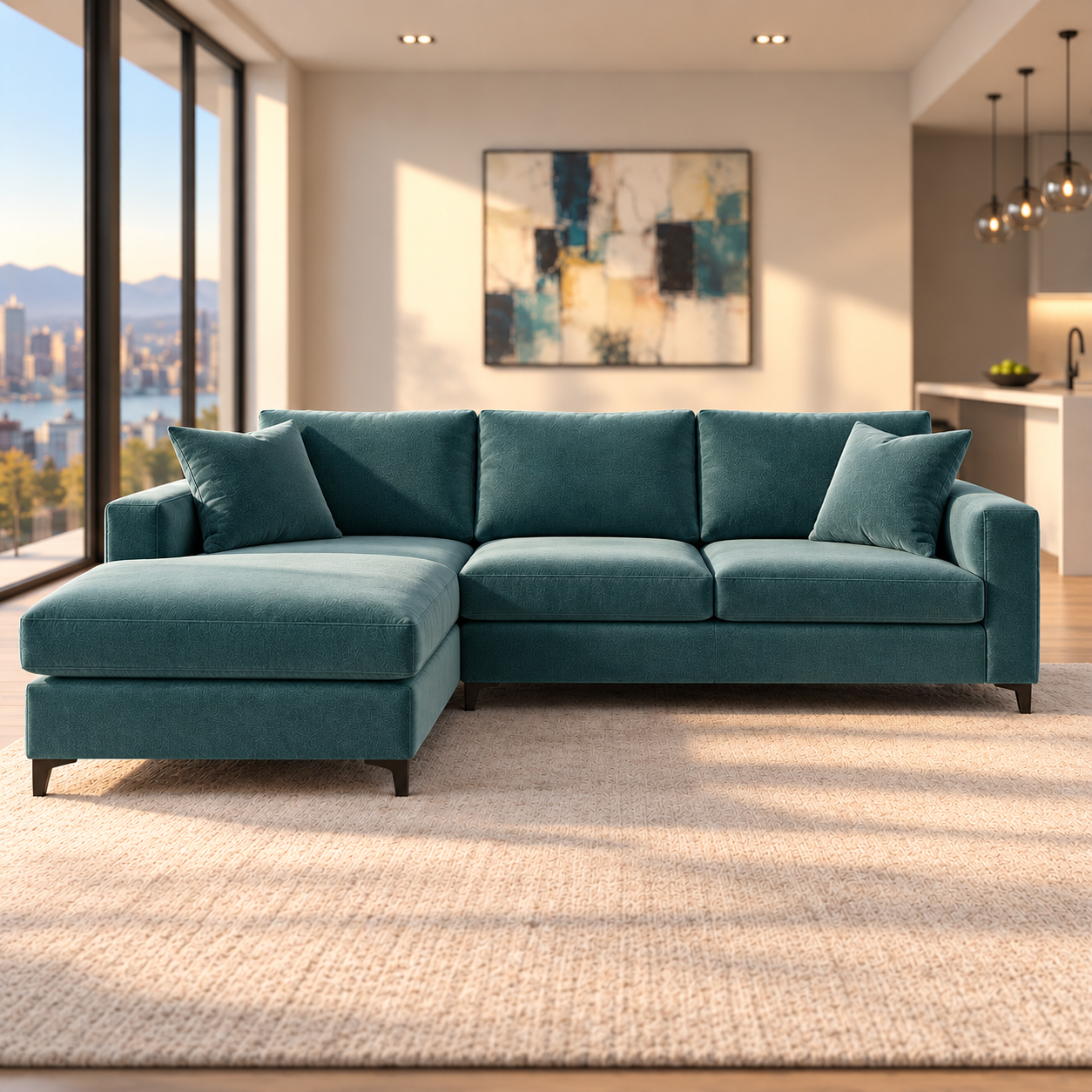
So, What Makes a Sofa Worth Its Price?
There is no universal answer.
A family choosing a comfortable sectional, an apartment owner seeking space-saving functionality, and a design collector searching for an iconic piece have different priorities.
The smartest furniture purchase isn't necessarily the cheapest or most expensive. It's the one whose materials, construction, design, and purpose best match your expectations.
Understanding what goes into a sofa makes comparing prices more meaningful—and furniture shopping much more interesting.